Buda
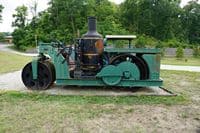
Roller
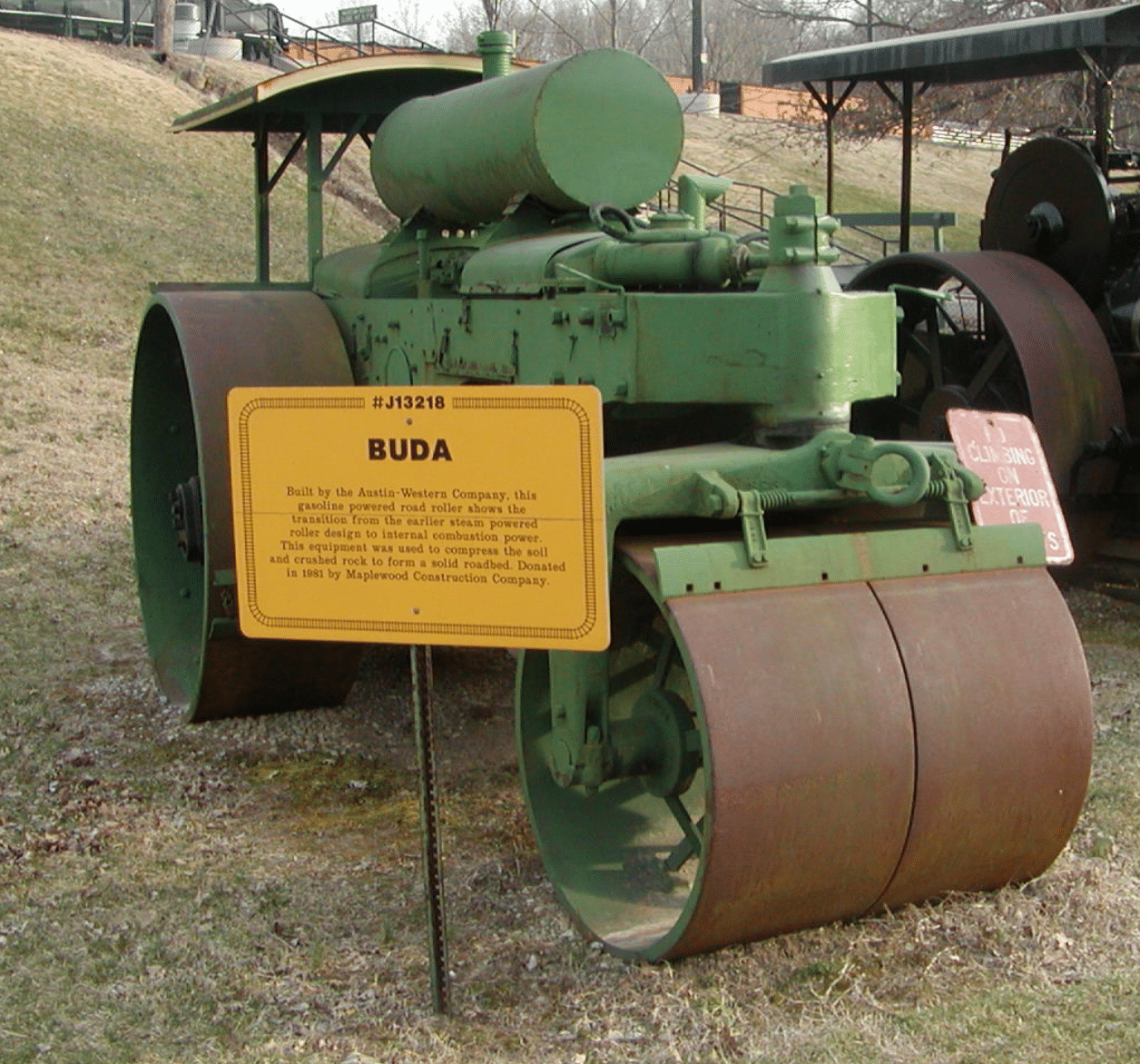
Built by Austin-Western Company, this gasoline-powered road roller shows the transition from the earlier steam-powered roller design to internal combustion power. This equipment was used to compress the soil and crushed rock to form a solid roadbed.
Donated to TNMOT in 1981 by Maplewood Construction Company
Dynacyle
Bicycle Kit
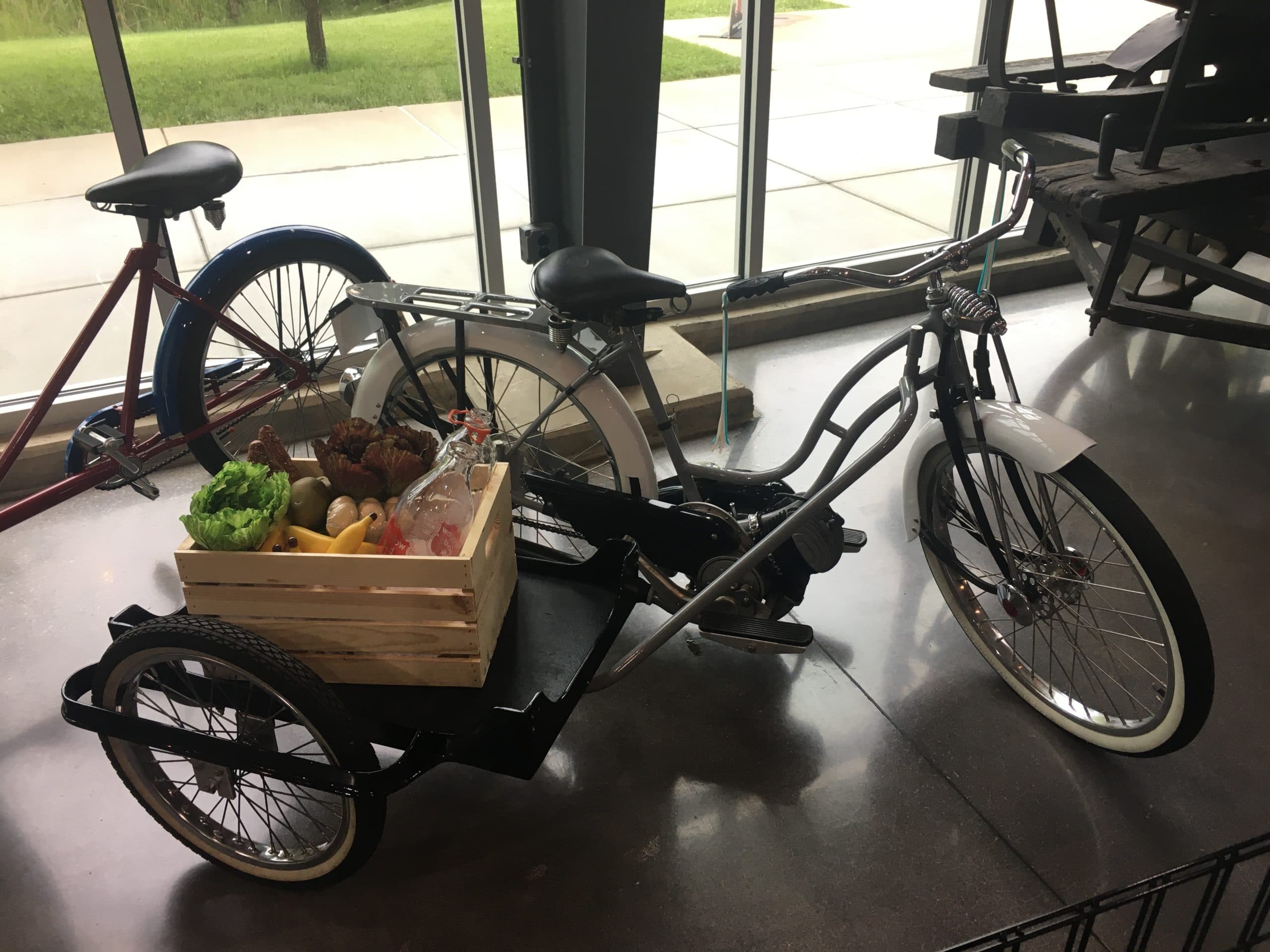
St. Louis-based Dynacycle invented manufactured bike kits and motorbikes. A gasoline motor could be attached to any balloon-tired bicycle in place of the crank and peddles and then mounted to the frame. The company claimed to have the smoothest ride of all bike motors on the market due to its Dynamount suspension system, which included rubber rings in the crank housing. The four horsepower engine delivered speeds of up to 45 miles per hour.
This bike has a custom-built side cart. It was used by a local grocery store to deliver goods to its customers. Approximately 200 bikes and kits were sold and it is believed only about 30 are still in existence.
Standard Oil
Gas Caddy
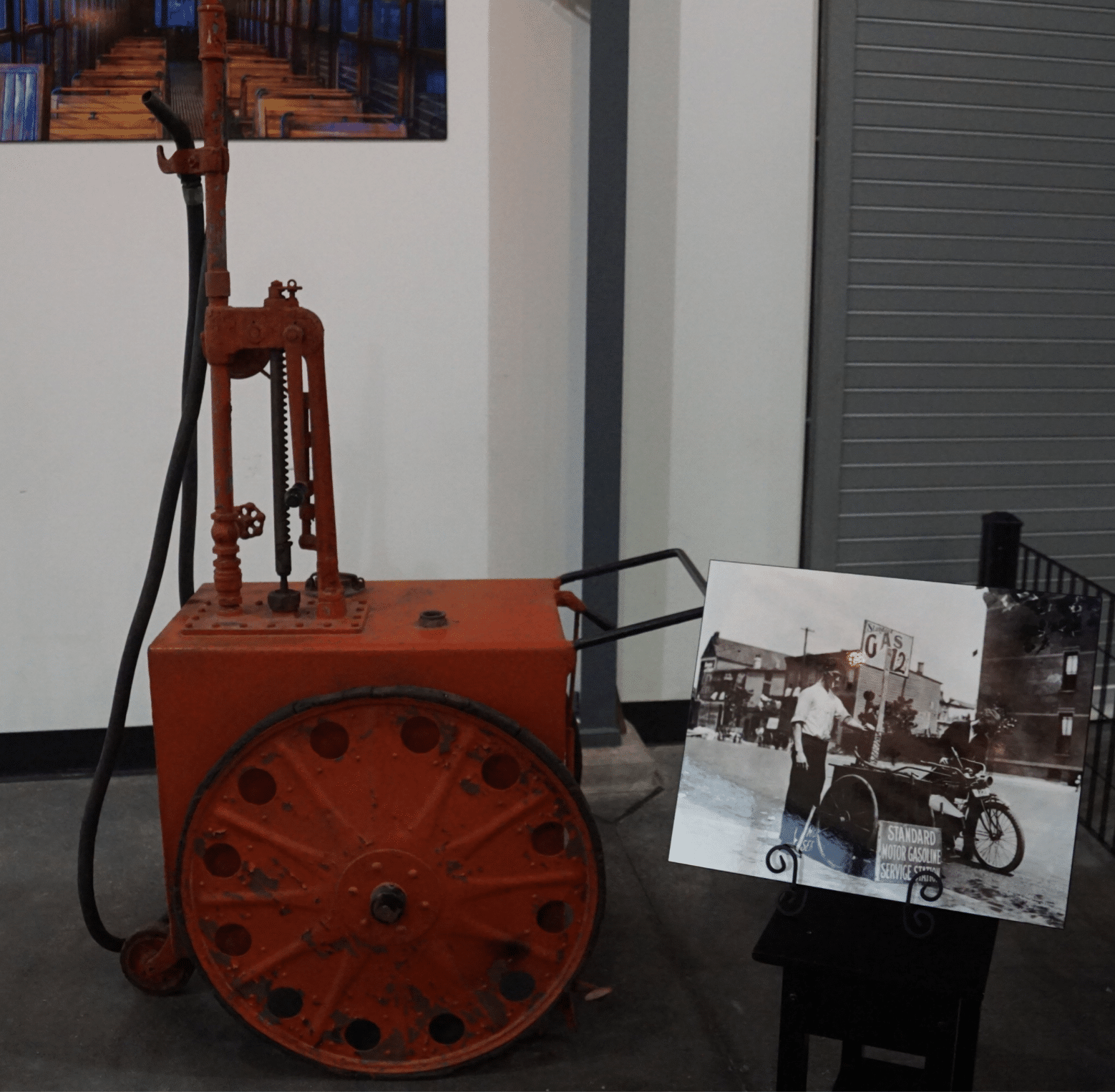
This portable gasoline caddy from the 1920s allowed vendors to sell and pump gasoline at the curbside. A hand-cranked rotary pump was used to dispense fuel into a customer's vehicle. This gas caddy was donated to the Museum by Standard Oil in 1971.
Gyrodyne Company of America
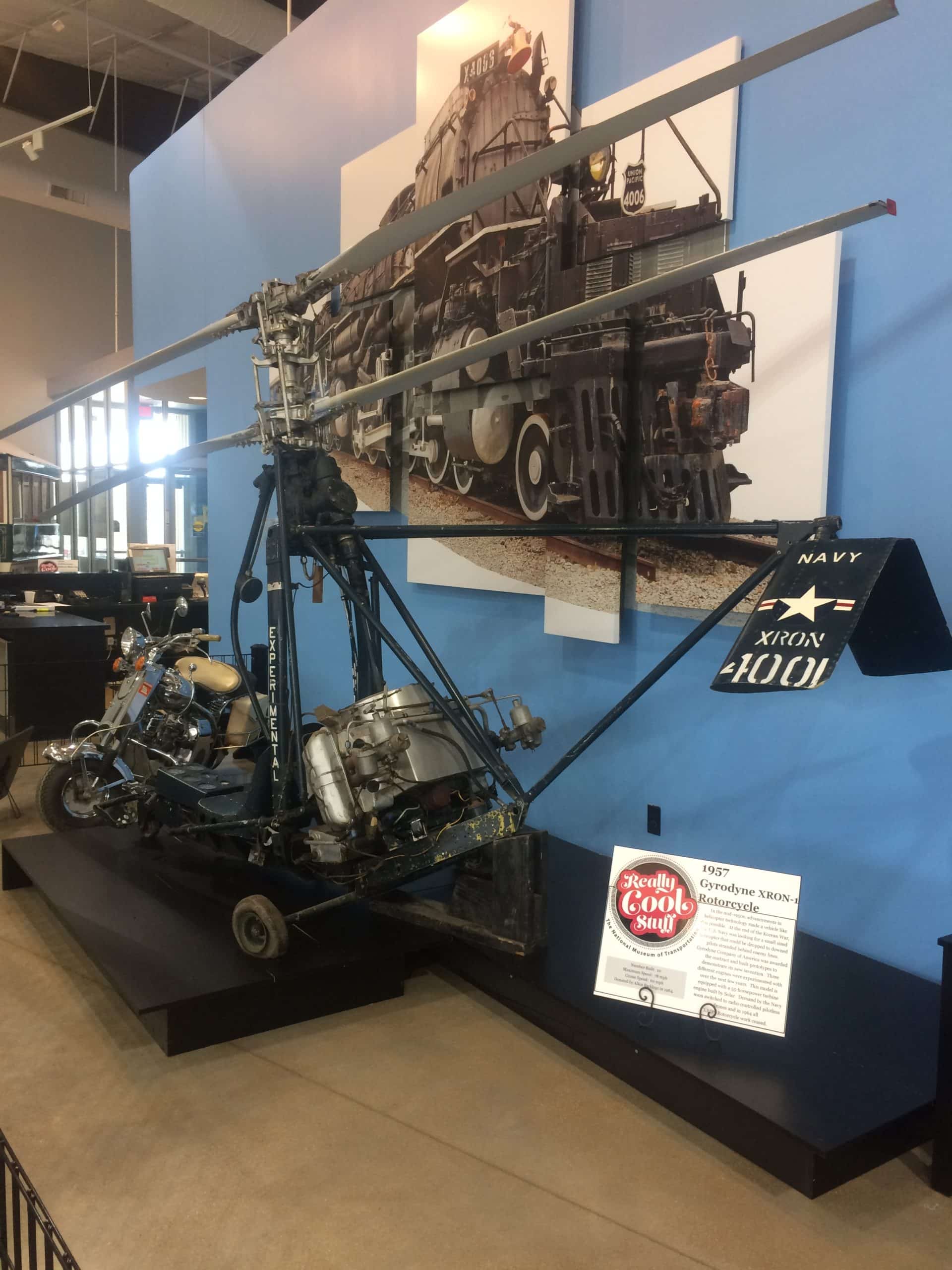
XRON-1 Rotorcycle
In the mid-1950s, advancements in helicopter technology made a vehicle like this
possible. At the end of the Korean War, the U.S. Navy was looking for a small
sized helicopter that could be dropped to downed pilots stranded behind enemy
lines. Gyrodyne Company of America was awarded the contract and built
prototypes to demonstrate their new invention. Three different engines were
experimented with over the next few years and this model is equipped with a
Porsche 4-cylinder internal combustion engine. Demand by the Navy soon
switched to radio-controlled pilotless drones and in 1964 all XRON Rotorcycle
work ceased. Allan Barklage donated this 1957 Rotorcycle to the museum in 1984.
Number built 10
Max Speed 78 mph
Cruise Speed 60 mph
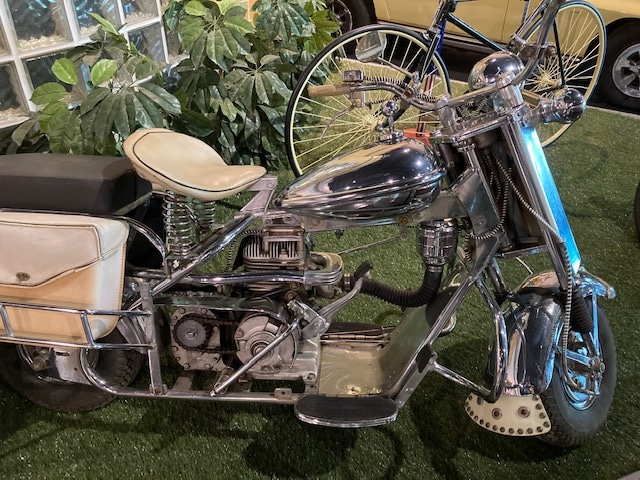
Cushman
Scooter
The Cushman Eagle was an attempt to copy real motorcycle design and it was by far Cushman’s most successful model. The 318CC 8 horsepower motor delivered top speed of nearly 50 MPH. The chrome models are unique because they were made almost exclusively for Shriners to ride in parades and other special events.
This 1957 scooter was donated in 1987 by the Daniel Hartnett Family.
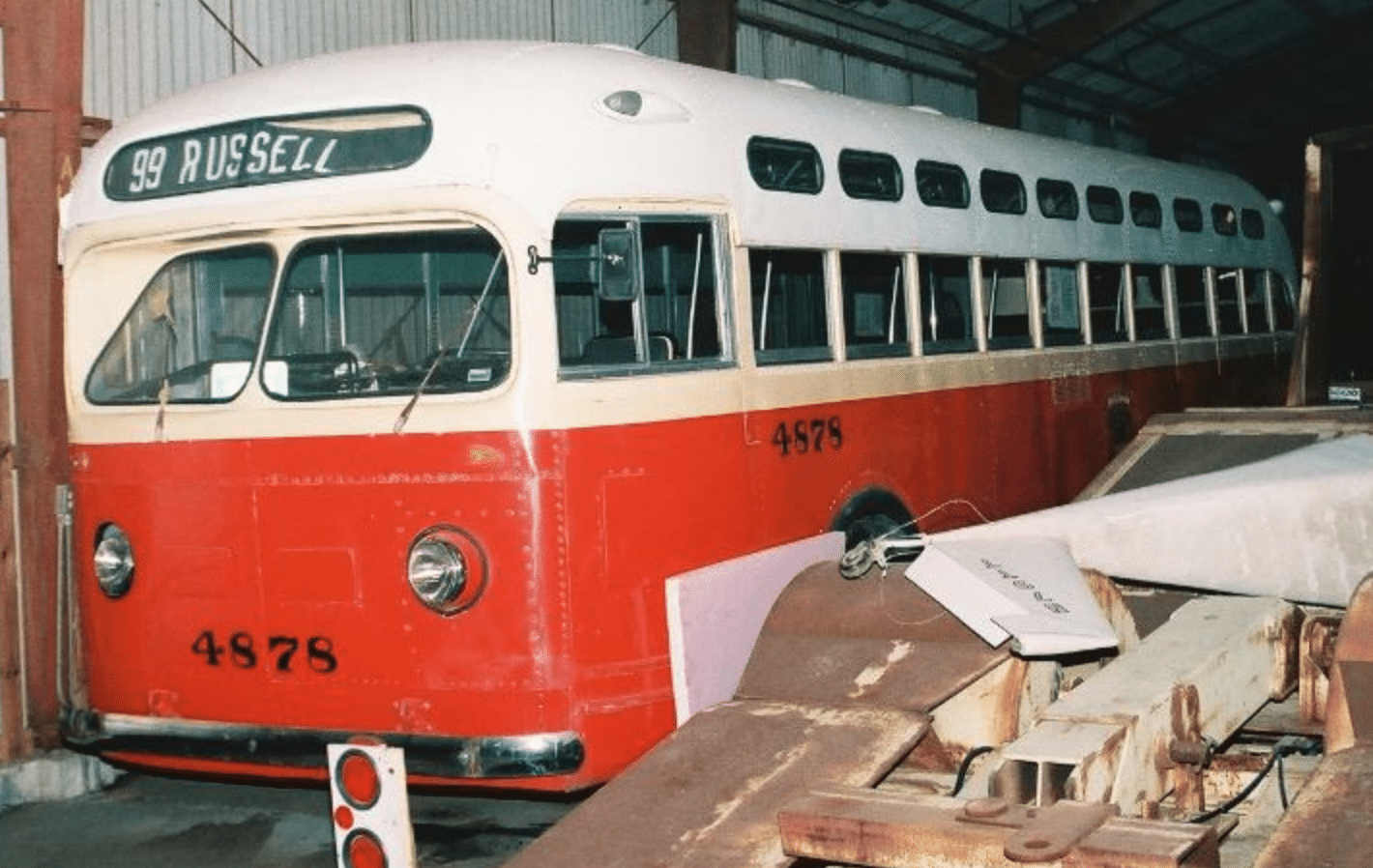
Yellow Coach Division of General Motors
Model TDH 4006 City Transit Bus
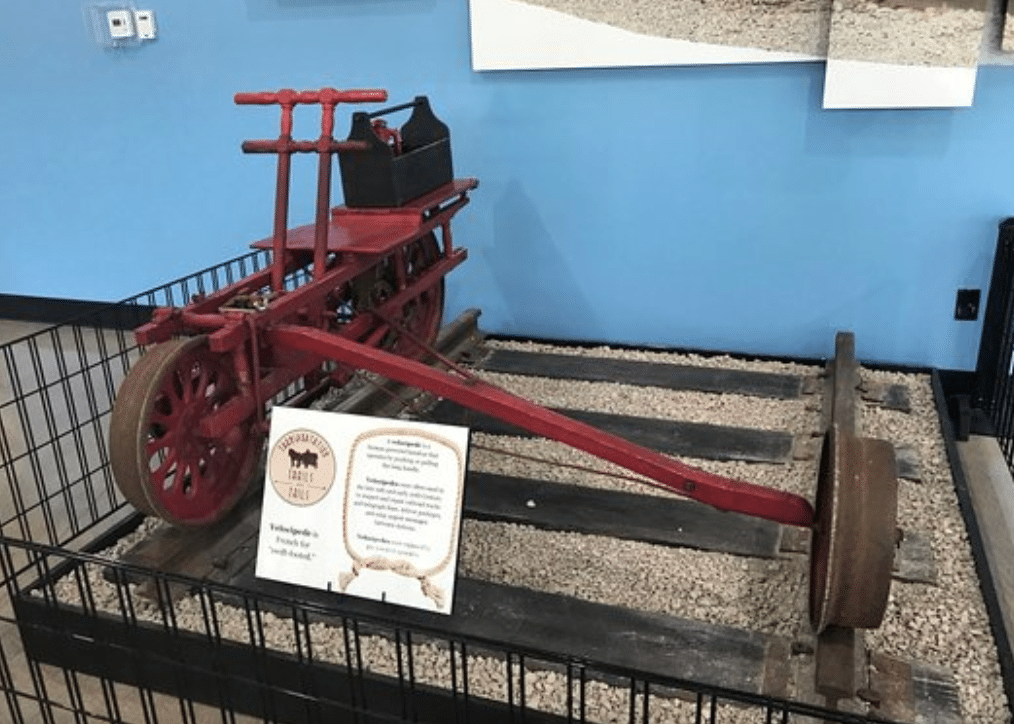
Handcar
Velocipede
Velocipede is French for "swift-footed." Handcar used in 19th and early 20th centuries.
The most common early handcar was the four-wheel handcar which weighed about 600 lbs.
In addition, there was a far lighter 125-150 pound style of handcar called a velocipede or Irish Mail which was used by some railroads. The three-wheel velocipede could carry one or two people over the rail lines to perform short errands. It could attain a speed of up to 12 mph.
The actual inventor of this style handcar is unknown, but George S. Sheffield has been generally credited with the invention in 1877. This style of handcar was manufactured until approximately 1947.