





The Museum’s Big Truck Day was a really BIG Success. Thanks to all who came out to visit, and to those who bought the big rigs! Here’s a video with Tim Ezell and our very own Jessica Hood covering some of the trucks that shared that day with us and with our guests.
Author: Renee Hughes 2
American Lotus

Many have asked about plants taking over TNMOT’s pond.
They look like a type of water lily, but they are actually
American Lotus. The Latin name is Nelumbo lutea.
Other common names include yellow lotus or
water-chinquapin. It is native to North America
but is an aggressive spreader. The flowers are the
largest in our country growing up to 11 inches in
diameter. The roots are anchored in the mud but the
leaves and stems grow above water 2.5-5 feet.
The Native Americans used the tuberous rhizomes
and seeds for food, effectively spreading the plant north.
The seeds are also eaten by waterfowl and have the
nickname “alligator corn.” Beavers and muskrat eat
the rhizomes keeping it in check. The leaves and stalks
provide protected habitat for fish, while turtles and
birds hunt among them. Bees and butterflies love the
flowers. The dried seed heads are often used in
arrangements.
Merchants’ Bridge
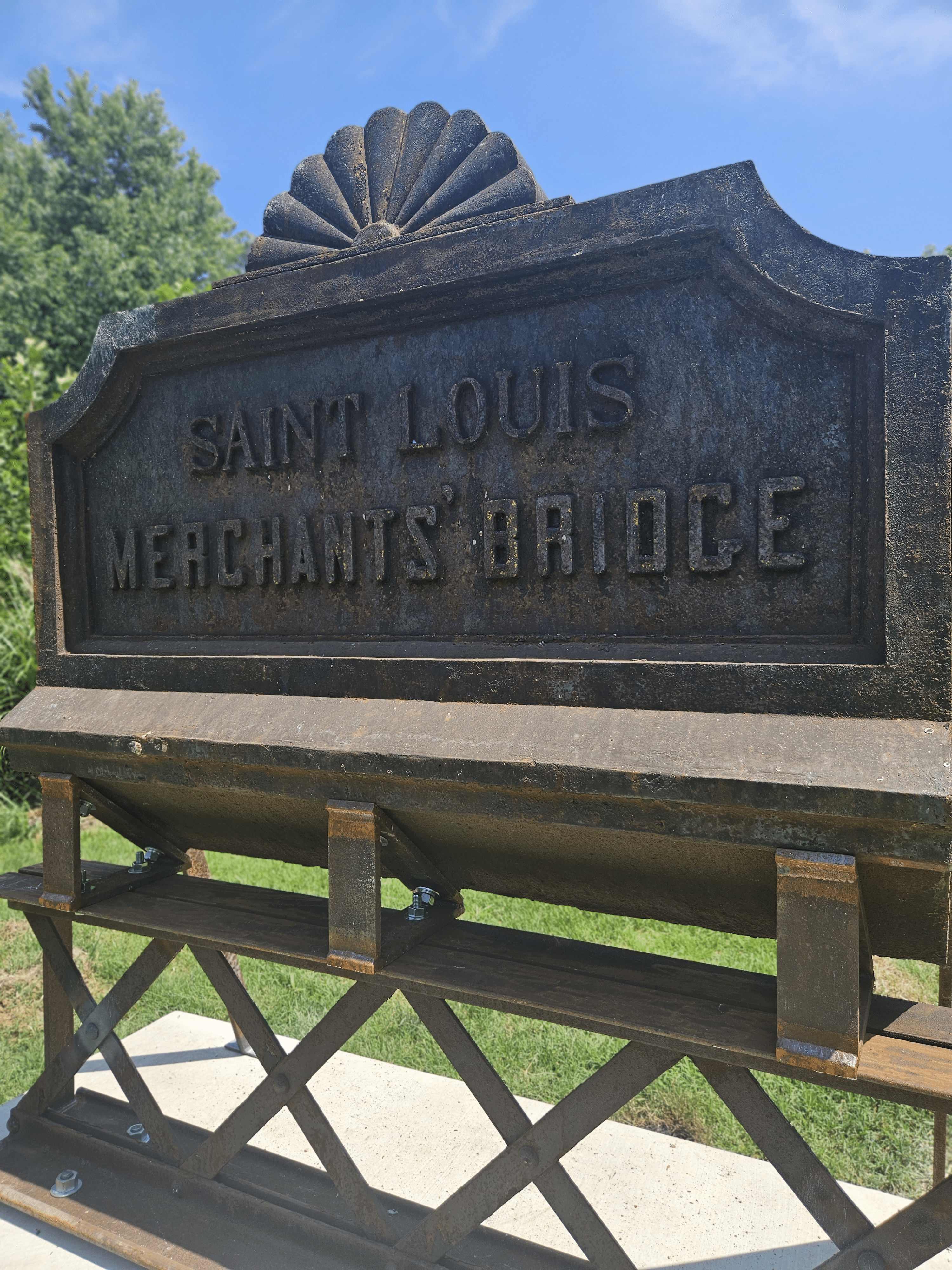
The Merchants’ Bridge Sign looks beautiful! Thanks to Jim Adams, John Rastorfer, Coby Ellison, and Ace Eaton for getting and preserving the donation and then installing the 1300+ pound sign at The National Museum of Transportation. Here is a really nice video that explains the historical significance to the region of the Merchants’ Bridge.
Additionally, now that the final truss has been put in place to complete the rebuilding of the Merchants’ Bridge rail bridge north of downtown, a key piece of St. Louis’s transportation infrastructure has greater utility to support our community.
Giving – Daniel Nason, Capital Campaign, ALL Aboard, Volunteering!

The National Museum of Transportation appreciates the generous support we receive to continue to be excellent stewards of the transportation artifacts and history entrusted to us. There are many ways to give to our Museum, whether it be to one of our funds or campaigns or even a particular artifact; becoming a member; volunteering; donating items, etc. For more information, you can find our full giving page by going here.
GIVE TO THE DANIEL NASON ANNUAL FUND
Support our growing, 501(c)(3) organization with a donation.
A gift to the Daniel Nason Fund provides critical support to the ongoing success of the Museum and allows us to improve exhibits, educational opportunities, and the overall guest experience. Click on the drop down on the giving landing page to find the Daniel Nason Fund and other options for donating. GIVE ONLINE TODAY
GIVE TO THE MUSEUM CAPITAL CAMPAIGN
Support our growing, 501(c)(3) organization with a donation.
The Power To Move You campaign will bring the Museum into a new era and offer a visitor experience unlike any other in the United States. Learn more about the capital campaign and our plans for the future of the Museum’s campus. LEARN MORE
ALL ABOARD
Sponsor an underserved child’s visit to the Museum.
The All Aboard Program enables all children to visit the Museum regardless of their ability to pay.
The National Museum of Transportation invites children and/or donates tickets to underserved populations, children in foster care, or those receiving medical attention. We want all children to experience our legacy in motion. Your gift of $10.00 sponsors one child’s field trip and miniature train ride. ALL ABOARD…we need your help! Please contact the Museum at [email protected] for additional information.
BECOME A MEMBER OF THE MUSEUM
Support our growing, private institution with a membership.
Members are critical to the Museum’s continued success and growth. Receive free admission, and get early access to information on restoration projects, special exhibits, upcoming events, and more. JOIN ONLINE TODAY!
VOLUNTEERING AT THE MUSEUM
Volunteering with our growing, 501(c)(3) organization is a vital and rewarding service for preservation of our nation’s transportation history.
Throughout its existence, the National Museum of Transportation has depended on dedicated volunteers who lead tours, restore artifacts, and perform a variety of other important activities. Go to this link if you want more information about Museum volunteer options. Contact us at [email protected] to find out even more about volunteering at TNMOT.
THANK YOU for supporting The National Museum of Transportation!
Garden of Excellence Award
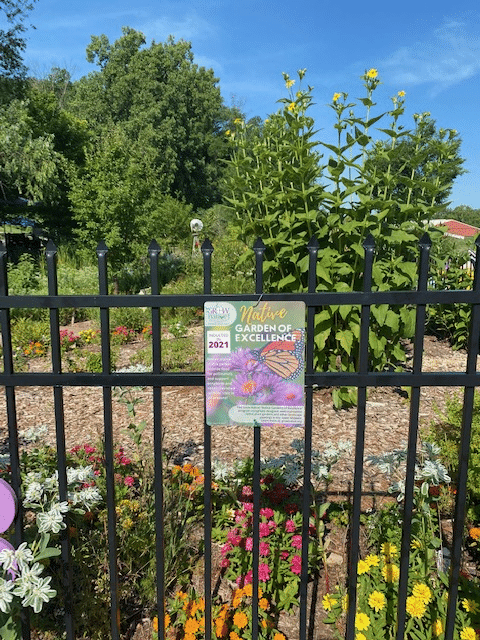
Landscaping News: The pollinator garden received some new signage in July 2023, celebrating the Garden of Excellence award received in 2021 from Grow Native!
The development of the Grow Native! Native Gardens of Excellence program was supported via funding from the Missouri Department of Conservation in FY2021.
All Gardens of Excellence are open to the public, consist of at least 90% native plants, and are at least three years old. Congratulations to our landscaping team – very cool!
Plein Air Art Winners 2023
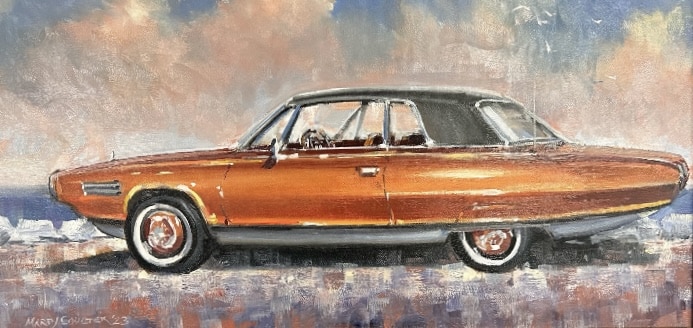
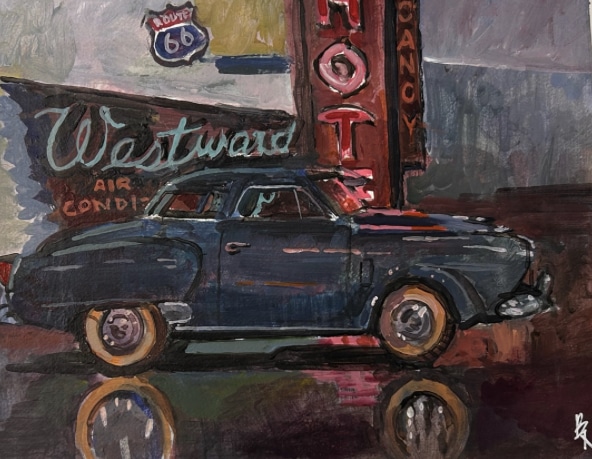
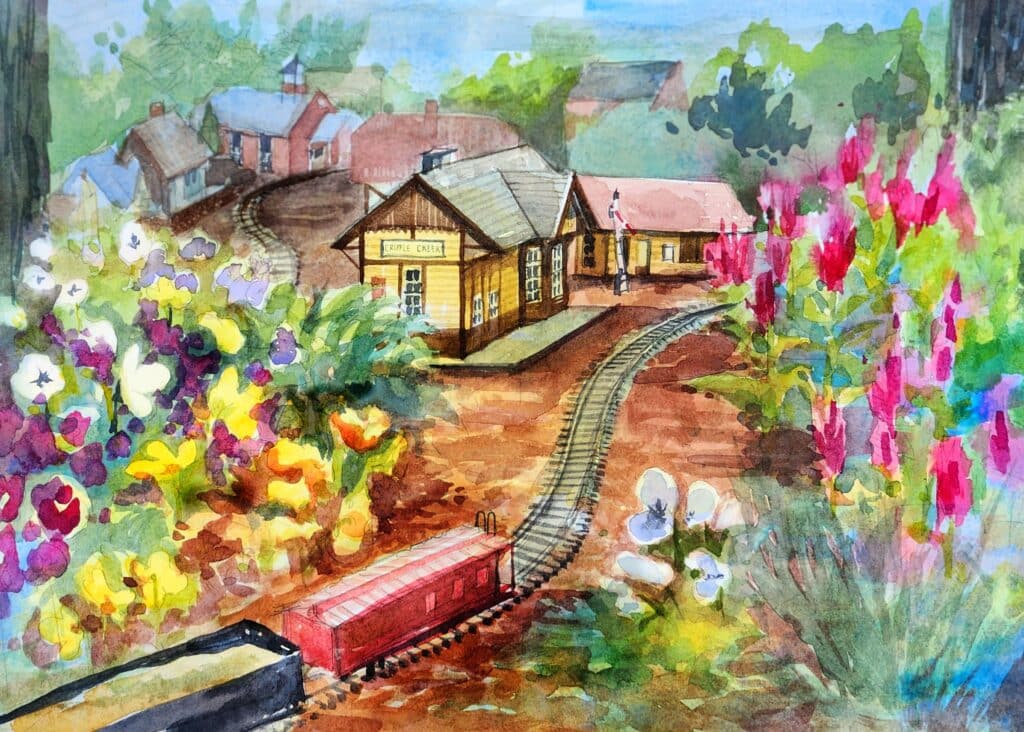
The National Museum of Transportation had a wonderful turnout of talented Plein Air Artists at our May 20, 2023, event during our Pumpers & Pistons/Community Helpers Day on Armed Forces Day.
We are pleased to announce the winners of the top three prizes:
1st Place, Best in show – Marty Coulter
2nd Place, Brian Anderson
3rd Place, Danae Hoppe
Partridge Pea

| Tessa Wasserman | Tue, Aug 16, 2:07 PM (21 hours ago) |
to me  |
Partridge pea / Chamaechrista fasciculate
Growing For Life /Feed Your Butterfly
By MaryAnn Fink/ The Native Explorer contributor/ Pollinator Junction/ Museum of Transportation
Copyright August /2022
This colorful mid-summer flowering annual is a native of Missouri. He is also a nitrogen fixing legume like all members of the bean family which means he is good at managing his own growing needs and possibly helps out his neighbors as well!
His golden flowers are beautiful as is his fine textured mimosa-like foliage!
His eye catching blossoms rest in the leaf axils that spiral around every stalk. This ascending spiral of sequential blossoms seems to coincide with the rising summer heat. It is as if the partridge pea is a visual for the major musical scale being played by Nature as the season peaks-I can almost hear it-can’t you?
Ever so softly, do re mi fa so la ti Do!- the high note is reached as the season peaks!
Each of his blooms are marked in the center with a fleck of crimson- is this a flower with heart and feelings? Well that is a stretch, but the feathery leaves do look like those of sensitive plant. He reacts to touch as well, that is more than I can say about some folks I’ve met!
This touchy native is quite visible right now at the Museum of Transportation’s Pollinator Junction. He is also found growing wild along some roadsides and many newly planted prairies. He is comfortable with disturbed soil situations.
He attracts many types of bees and butterflies. The caterpillars of several Sulfur butterflies feed on his foliage, including Eurema lisa (Little Sulfur), Eurema nicippe (Sleepy Orange), and Phoebis sennae cubule (Cloudless Sulfur). Other likely visitors include honeybees, bumblebees, Miner bees, and large leaf-cutter bees, Halictine bees, wasps, flies, and ants! Later the pea pods will attract song and game birds, even quail!
He takes the heat just fine, preferring full sun and average to dry soil. He does not appreciate competition from other plants.
Partridge Pea is easy to grow and spreads readily when given plenty of elbow room, especially in dry, open situations. He is not reliably sustainable in crowded conditions and his population can fluctuate considerably from year to year. He might leave or significantly reduce his population when aggressive natives are not kept in check.
Partridge pea is considered an excellent choice for erosion control; He is fast at establishing his root system, even on poor quality bare ground. He creates a 2” blanket of seedlings quickly that sprout into 24-30″ bouquets of flowers that can stabilize eroding soil and fix nitrogen.
This native needs his bed kept open in the spring, free of weeds and native aggressors. He appreciates a gentle hand with turning / hoeing the soil lightly-do this in April. Become familiar with this annual’s seedling appearance and watch for it! Don’t be afraid of heavy sprouting and dense new growth as he competes well with himself-it is just the bullies he wants to avoid. He will gradually disappear without regular maintenance!
Although he is an annual plant that does dies off in the winter, he leave his mass of wire-like roots as stabilizers of the soil. It is best to leave his stalks in place during the winter for wildlife cover. These stalks will also act as breakers to defuse the earliest spring rains and allows the seeds to drop naturally at the perfect time. The rain helps the seeds redistribute annually to any open ground and restart the process again. Nitrogen fixation is greatest when he is at his flowering peak.
Here are some good websites that tell more about this annual favorite:
http://www.nearctica.com/butter/plate5/Elisa.htm
http://www.illinoiswildflowers.info/prairie/plantx/part_peax.htm
http://plants.usda.gov/plantguide/doc/pg_chfa2.doc
http://www.wildflower.org/plants/result.php?id_plant=chfa2
http://www.nearctica.com/butter/plate5/Elisa.htm
http://www.illinoiswildflowers.info/prairie/plantx/part_peax.htmhttp://www.wildflower.org/plants/result.php?id_plant=chfa2
The Adventures of Speedy McWheels
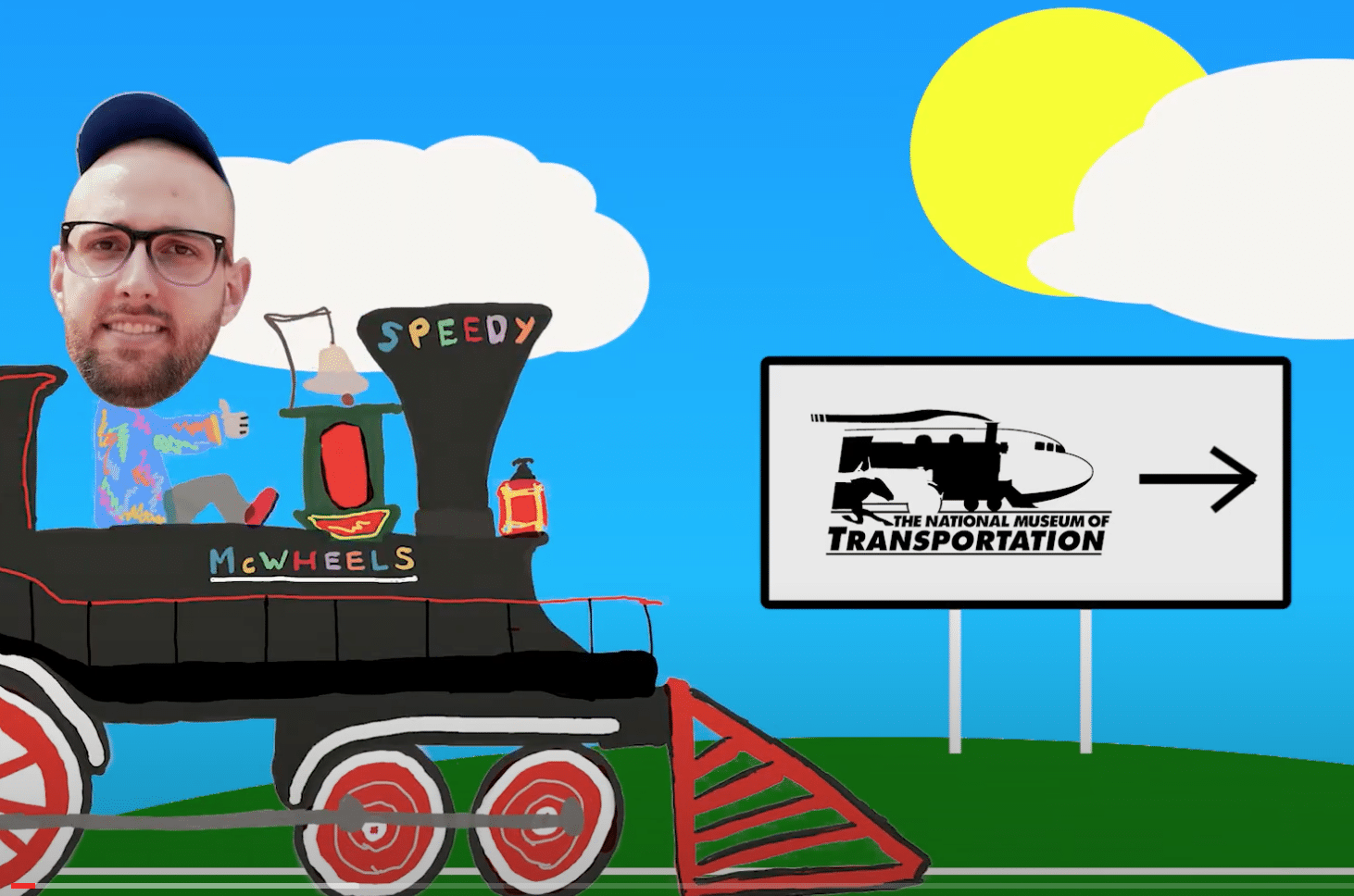
Meet Your new pal Speedy McWheels–he’s super fast and lots of fun! Join us as Speedy zooms around The National Museum of Transportation and shows you all the greatest transportation vehicles around.
Click on the links below to videos to enjoy Speedy’s visit explaining so much of the awesome trains, cars, and more at the Museum. Then we hope you decide to come to visit for your very own tour of the fantastic vehicles that await!
Meet Speedy McWheels! In this episode Speedy introduces himself and then invites us to explore the Milk Tank Car, the Whale Belly Tank Car, and the Big Boy.
Speedy Journeys Through Time Speedy and Conductor Will take a trip through time visiting The National Museum of Transportation: The oldest train at the Museum–the Daniel Nason, the futuristic Aerotrain, and the largest diesel-electric locomotive ever built–the Union Pacific Centennial.
Speedy Explores the Seas and Skies Is Speedy a pirate or a pilot? Sail the mighty seas at The National Museum of Transportation. Then explore the sky as Speedy McWheels visits the “Gooney Bird.”
Speedy Eats on a Train Speedy visits the Silver Spoon at The National Museum of Transportation. I wonder what he will order? Let’s watch and find out.
Speedy Goes to School Will Speedy make it on time for his field trip to The National Museum of Transportation?
Speedy Loves Cars Speedy visits the Lindburg Automobile Building. Would you want a car that runs on batteries or perfume? Maybe Speedy can help you decided.
Riding the Rails with Speedy Let’s go for a ride with Speedy McWheels! Did you know that you can ride a miniature train, a handcar, and a streetcar at The National Museum of Transportation?
For fun coloring pages go here.
Follow us on Twitter/X/! https://twitter.com/museumtransport
Follow us on Instagram! https://www.instagram.com/museumoftra…
Like us on Facebook! https://www.facebook.com/MOTSTL
For Tours and More Information Visit Us at: https://tnmot.org The National Museum of Transportation, in West St. Louis County, Missouri, houses what has been recognized by the Smithsonian as one of the largest and best collections of transportation vehicles in the world! The Museum readily shares its resources with the community, hosting school children on educational tours each year. Its mission is ‘to be the leader in protecting and interpreting North America’s transportation heritage.’
Park Map at Explore Our Museum
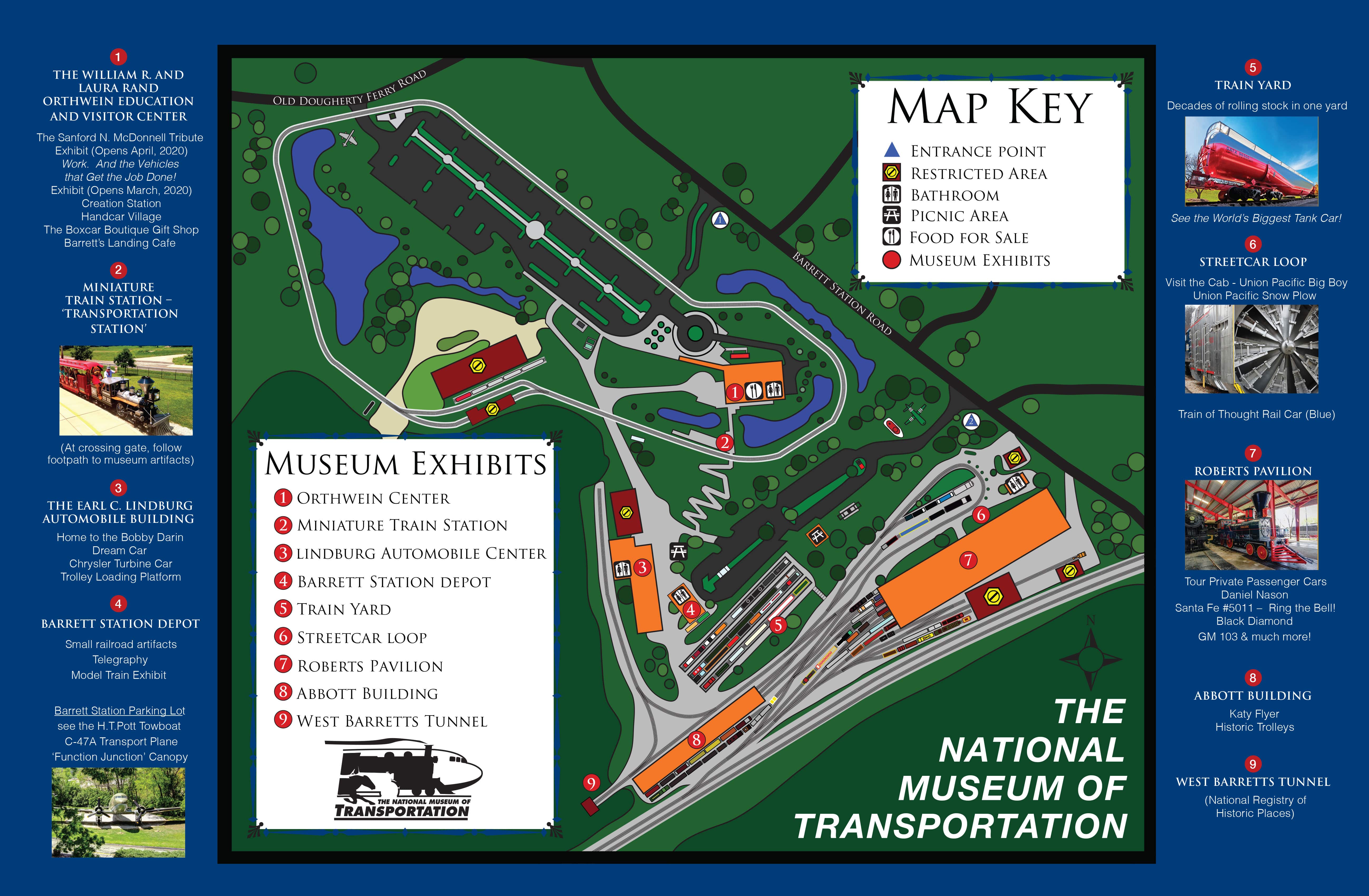
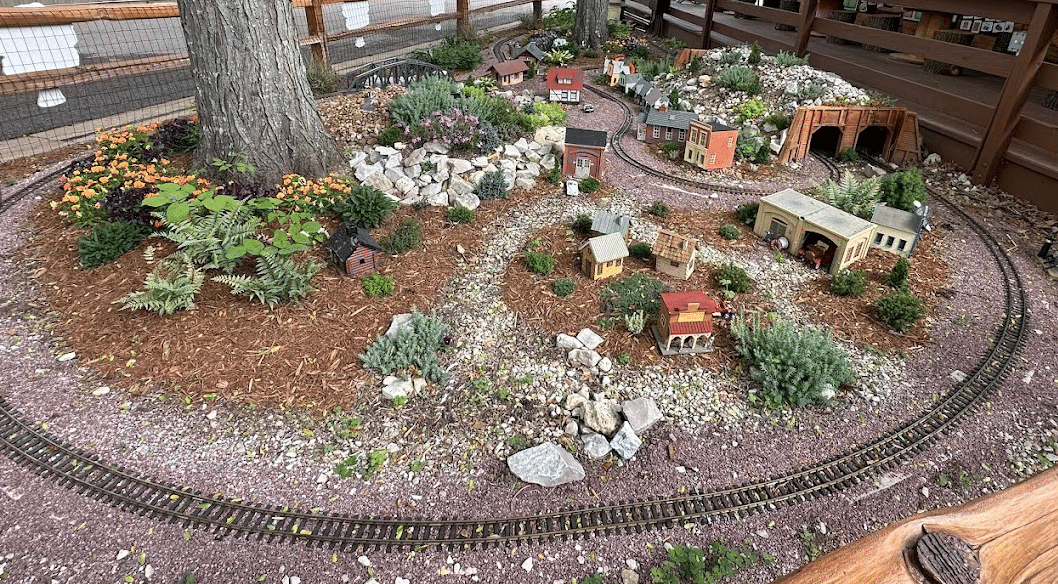
Find the location of our artifacts, buildings, even our Garden Train village located behind Barrett Station, before you visit by reviewing the Park Map at the link in the middle of our Explore Our Museum page.
The Major Lee Berra Creation Station

 |
| Creation Station is now The Major Lee Berra Creation Station Lee Berra grew up less than a mile from The National Museum of Transportation, which he referred to as the “old fashioned train station.” He loved his family, friends, country and all things transportation – especially planes and trains. He got his pilot’s license at age 16. Lee was commissioned into the United States Air Force in 2006 and spent a decade in the military. He flew 2,566 military flight hours in 30 different aircraft with 2,270 of those hours in the supersonic B-1 Lancer. When Lee returned for visits to St. Louis, he always took his wife, Sydney, to the “old fashioned train station” and told her that someday they would bring their kids to the Museum. Lee would be honored to be part of the Museum and the Creation Station. Major Lee Berra – March 7, 1984 – January 25, 2017 |